Project Overview
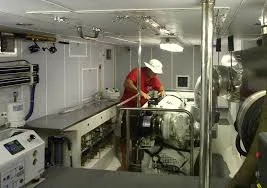
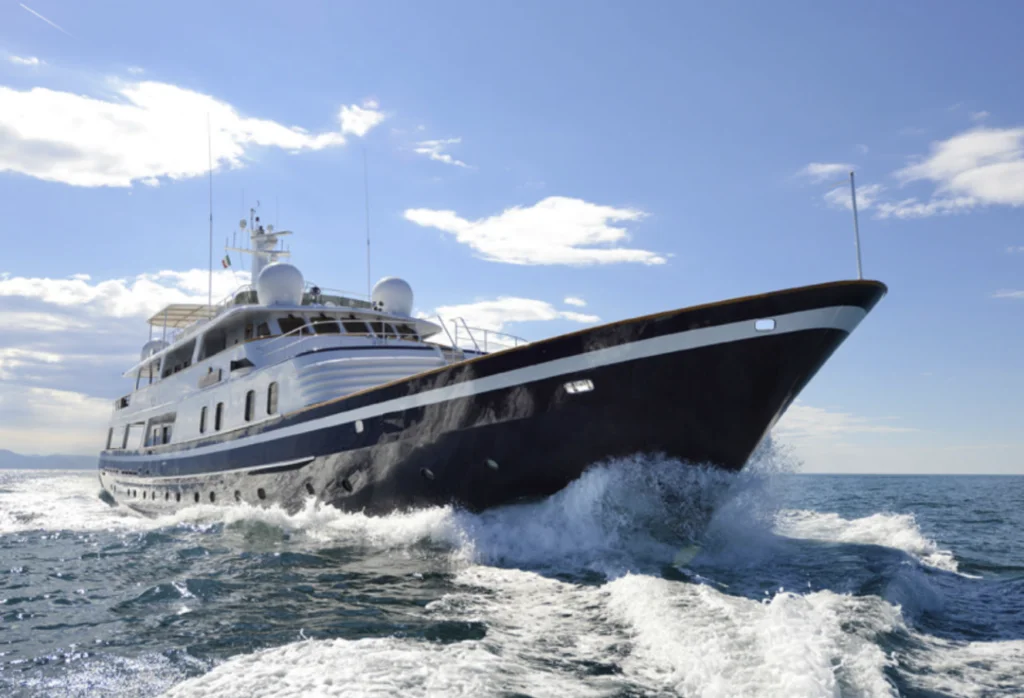
In October 2025, a 55-meter expedition-class motor yacht (built 2015, Lloyd's Class 100A1) entered refit with an ambitious 90-day timeline. The vessel required extensive propulsion system upgrades, structural repairs following hull damage sustained during heavy weather passage, and comprehensive interior renovation.
The challenging timeline demanded meticulous project management, simultaneous work execution across multiple disciplines, and advance procurement of long-lead-time components. This case study documents the refit process, highlighting key decisions that enabled completion within the compressed schedule.
Project Scope Summary
- Propulsion system overhaul: engine servicing, fuel system replacement, turbocharger inspection
- Hull and structural repairs: welding, corrosion treatment, composite reinforcement
- Interior refresh: cabin upgrades, galley modernization, crew quarters enhancement
- Electrical system upgrades: battery bank replacement, generator serviceable exchange
- Regulatory compliance: survey inspection, classification maintenance, documentation updates
Total project cost: approximately EUR 2.4 million. The refit was completed on December 20, 2025, with full compliance achieved and the vessel delivering to the owner in Monte Carlo on January 8, 2026.
Initial Survey & Classification
The refit process began with a comprehensive survey by Lloyd's Register classification surveyors. This special survey (required every 5 years for Class maintenance) identified structural issues, propulsion deficiencies, and electrical system concerns requiring remediation.
Hull Inspection Findings
Non-destructive testing (ultrasonic thickness measurement) revealed localized corrosion in the engine room bulkheads that had accelerated due to inadequate ventilation and minor moisture intrusion during the vessel's previous Atlantic crossing. Peak corrosion measured 2.1 mm depth in a 0.5 square meter area—exceeding Class allowances by 0.3 mm and requiring remediation.
Additionally, the collision bulkhead showed minor cracking in a welded seam. The damage was attributed to heavy sea state during a prior passage when the vessel encountered 10-meter waves. Structural calculations confirmed that the cracking posed no safety risk in normal operations but exceeded Class standards for visible defects.
Propulsion System Assessment
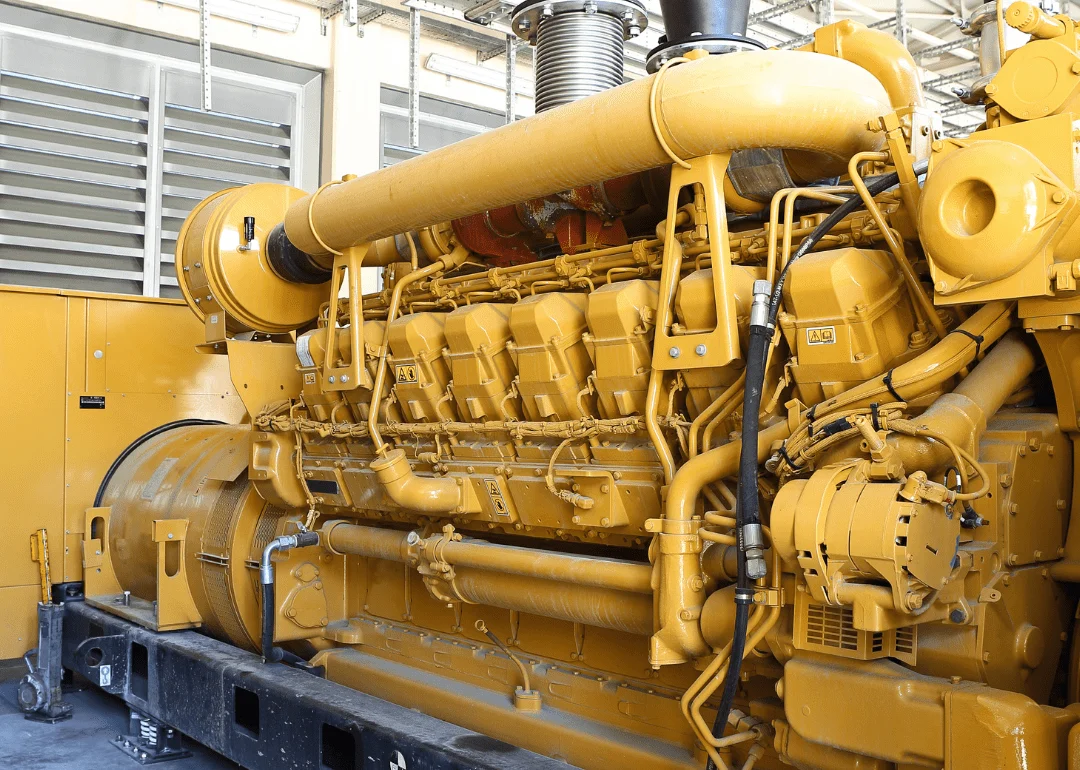
The primary engine (MTU 16V 4000 M93L) had accumulated 6,800 service hours. Bore scope inspection revealed minor carbon deposits and early-stage bearing wear indicators. The turbocharger bore scope showed wear consistent with normal usage; replacement was not immediately necessary but was recommended within the next 2,000-3,000 service hours.
The fuel treatment system showed evidence of water contamination; subsequent analysis identified water content of 180 ppm (acceptable maximum is 100 ppm). This indicated a failing fuel polishing filter or potential water intrusion in the fuel storage tanks.
Classification Requirements
Lloyd's issued three Repair Items requiring completion for Class maintenance: (1) Hull corrosion in engine room bulkheads; (2) Structural cracking in collision bulkhead; (3) Fuel water content exceeding Class limits. All three items were scheduled for completion during the planned refit.
Hull & Structural Work
Hull repair and structural upgrades comprised the most labor-intensive segment of the refit. All welding work was performed by certified RINA-qualified personnel, with all welds inspected using ultrasonic or radiographic testing.
Engine Room Bulkhead Corrosion
Corroded steel sections were excavated to bare metal, with corrosion extending deeper than initial ultrasonic readings indicated. Total affected area expanded to 1.2 square meters. Steel plate sections were fabricated and welded into position, with all welds subject to full inspection and certified acceptable.
Following welding, the repaired area was treated with corrosion-inhibiting primer (Jotun Tankguard) and finished with resilient epoxy topcoat. The entire engine room bulkhead was subsequently painted with polyurethane topcoat to prevent future corrosion.
Collision Bulkhead Seam Cracking
The cracked weld section was excavated, revealing the crack extended approximately 400 mm along the seam. X-ray inspection confirmed the crack did not penetrate the inner hull plating, limiting exposure. The cracked weld was removed entirely and replaced with new welding by a certified welder.
Post-repair inspection confirmed the new weld met Class specifications. As an abundance of caution, the shipyard applied additional reinforcement plating over the repaired section and certified the repair with signed documentation.
Composite Work and Reinforcement
The shipyard recommended composite reinforcement in the engine room to reduce future corrosion risk. A layer of fiber-reinforced composite material was applied to critical bulkhead sections. This composite layer provides mechanical protection and prevents water contact with underlying steel.
Composite application was completed within budget and added only 4 days to the hull work schedule, providing substantial protection benefit with minimal schedule impact.
Propulsion Overhaul
The primary propulsion system underwent comprehensive servicing, including engine reconditioning, fuel system replacement, and turbocharger inspection and reconditioning.
Engine Servicing
The MTU 16V 4000 M93L engine underwent full top-end service: cylinder head removal, valve inspection and reconditioning, fuel injector replacement (new OEM injectors), and turbocharger removal for bench inspection.
Bore scope findings indicated that bearing wear, while early-stage, justified bearing replacement as a precautionary measure. This extended the engine service scope but provides significant operational margin for the owner's future use.
All engine fluids were changed: engine oil (approximately 350 gallons), coolant (150 gallons freshwater), and transmission fluid (35 gallons). The shipyard sourced OEM fluids exclusively, avoiding inferior aftermarket products that can accelerate wear.
Fuel System Overhaul
The primary and secondary fuel filters, fuel polishing system, and fuel treatment unit were replaced entirely. The fuel storage tanks (two tanks, total 5,000-gallon capacity) were drained, cleaned internally using high-pressure water jetting, and treated with corrosion inhibitor. Tank baffle integrity was verified by internal inspection.
A new fuel polishing system (1-micron filtration) was installed to prevent future water contamination. This system operates automatically when the vessel is underway and maintains fuel cleanliness continuously.
Turbocharger Reconditioning
The turbocharger was sent to a specialized service center (MTU-authorized facility) for bearing replacement, blade inspection, and performance testing. Bearing wear was confirmed but the turbo remained serviceable. New bearings and seals were installed, and the turbo was pressure-tested to confirm proper operation.
Return of the reconditioned turbocharger required 18 days. The project timeline was managed by scheduling turbo removal early in the refit and coordinating its return with final engine assembly, avoiding critical path delay.
Interior Refresh
Interior renovation addressed guest cabin upgrades, galley modernization, and crew quarters enhancement. The work was scheduled to proceed in parallel with hull and propulsion work, optimizing resource allocation.
Guest Cabins
All four guest cabins (two suites on main deck, two cabins on lower deck) received new cabinetry, flooring, and soft furnishings. Original teak cabinetry was refinished; worn upholstery was replaced with contemporary fabrics; and lighting was upgraded to low-power LED systems.
Plumbing systems in guest heads were modernized: low-flow showerheads and toilet systems were installed for water conservation; drain systems were inspected and reconditioned. Two cabins received new marble bathroom fixtures; two cabins retained original marble but upgraded faucetry and lighting.
Galley Modernization
The galley (approximately 250 square feet) received a complete upgrade: new commercial-grade stainless steel refrigeration (two 12-cubic-foot units), new range/oven (6-burner with convection oven), new dishwashing system, and modernized cabinetry with improved ergonomic layout.
The upgraded galley was designed to accommodate high-volume provisioning and guest catering. Professional chef consultation influenced the design, ensuring adequate counter space, storage, and equipment placement for efficient meal preparation in the vessel's confined space.
Crew Quarters Enhancement
The crew quarters (three double cabins, one single cabin accommodating four crew) were upgraded with new bunks, storage cabinetry, and improved HVAC for temperature regulation. A dedicated crew mess area (approximately 150 square feet) received new seating, entertainment system, and upgraded galley pantry.
MLC 2006 compliance drove several upgrades: crew cabin ventilation was improved through additional air exchange; additional shower/head facilities were installed to accommodate crew sizing; and a formal crew common area was created per MLC accommodation standards (Standard A3.1).
Electrical & Systems Upgrades
Electrical system upgrades focused on battery bank replacement, generator servicing, and electrical distribution modernization.
Battery Bank Replacement
The original lead-acid battery bank (installed 2015) had degraded to approximately 60% rated capacity. The vessel's electrical load (air conditioning, refrigeration, entertainment systems, propulsion auxiliaries) exceeded the battery bank's ability to supply adequate power during extended generator-off periods.
The original lead-acid batteries (24 individual cells, 600 amp-hour capacity) were replaced with lithium iron phosphate (LiFePO4) batteries: 300 amp-hour capacity but superior performance characteristics (3,000+ cycle life vs. 800 cycles for lead-acid, 95% depth-of-discharge capability vs. 50% for lead-acid).
The lithium system was installed with integrated battery management system (BMS) providing real-time monitoring, cell balancing, and safety protection. Integration with the vessel's electrical management system enables crew monitoring of battery status from the wheelhouse and guest areas.
Generator Servicing
The backup generator (125 kW, diesel-electric) underwent full servicing: fuel system flushing, fuel filter replacement, engine oil change, coolant replacement, and bearing inspection. Generator output was load-tested to confirm rated power output.
A generator service exchange option was evaluated but rejected in favor of in-place servicing; the generator was in good condition and serviceable repair was more economical than exchange.
Electrical Distribution Modernization
The main electrical distribution panel was upgraded with new circuit breakers, improved busbar configuration, and integration of renewable energy sources (solar panels and wind generator, added during the refit). This modernization enabled future expansion of the vessel's renewable energy capability.
Sea Trials & Delivery
Final phase of the refit involved comprehensive sea trials and delivery to the owner. All systems required full functional verification before the vessel departed for the owner's operational base.
Engine Testing Protocol
The primary engine underwent sequential testing: cold start verification, idle operation confirmation, incremental load increase from 25% to 100% rated power, and sustained full-power operation for 4 hours. All parameters (engine temperature, fuel pressure, oil pressure, vibration levels) were monitored continuously and documented.
Secondary systems (fuel polishing, electrical charging, cooling) were verified operational during engine test. Generator was started, loaded progressively, and confirmed capable of supplying vessel electrical demand without load shedding.
Hull and Structural Verification
The vessel was operated in open water for inspection of hull integrity, propeller operation, and rudder response. No leakage or structural concerns were detected. The refurbished collision bulkhead and engine room corrosion repairs were confirmed visually and functionally.
Interior Systems Verification
All interior systems were tested: HVAC operation throughout the vessel, plumbing systems (fresh water, waste water, grey water), electrical distribution and lighting, entertainment systems, and entertainment system integration with guest devices.
Classification Compliance
Lloyd's Register surveyor completed final inspection, verifying all Repair Items had been properly remediated and documentation was complete. The vessel's class was renewed, and updated class certificate was issued with full validity for the next 5-year period.
The delivery sea trial proceeded over 3 days: outbound departure from the refit facility, overnight transit in open water, and return to the facility for final inspections and owner acceptance.
Key Outcomes
The 90-day refit timeline was achieved with completion on December 20, 2025. The vessel was delivered to the owner on January 8, 2026, following final transit to Monte Carlo. Key project outcomes:
Schedule and Budget Performance
The refit was completed on schedule with zero critical path delays. Budget overrun was limited to 3.2% (approximately EUR 77,000), primarily due to expanded hull corrosion repair scope identified during excavation. This performance was exceptional for a complex refit with identified structural defects.
Schedule success was attributed to: advance procurement of long-lead items (turbocharger, electrical components); parallel execution of independent work streams (hull repair concurrent with propulsion service and interior renovation); and experienced project management with detailed critical path scheduling.
Technical Achievements
The vessel's propulsion system was restored to OEM specifications with enhanced capability (new fuel polishing system, upgraded electrical architecture). The hull structural integrity was verified by classification society, and corrosion risks were substantially mitigated through protective coatings and composite reinforcement.
MLC 2006 compliance was achieved through crew quarters upgrades and accommodation enhancements. The vessel's operational margin was extended through bearing replacement, turbocharger reconditioning, and full fluid system renewal.
Owner Satisfaction
The owner reported exceptional satisfaction with the refit outcome. The vessel's aesthetic appeal was transformed through interior refresh, while underlying mechanical and structural systems were thoroughly renewed. The owner commissioned the vessel for immediate charter operations in the Mediterranean, indicating confidence in the refit quality.
The vessel completed its first charter season (June 2026) with zero propulsion issues and positive guest feedback on interior condition and comfort. This successful refit demonstrates the value of comprehensive, proactive vessel maintenance and the importance of quality execution during scheduled refits.
Sources & References
This article incorporates technical information and best practices from the following authoritative sources:
- MTU Marine Engine Documentation: Maintenance guidelines and technical specifications for high-performance marine diesel engines
- Caterpillar ACERT Series Manuals: Operating procedures and service schedules for Caterpillar marine propulsion systems
- International Maritime Organization (IMO): STCW Convention standards and maritime safety frameworks
- SOLAS Convention: Safety requirements for structural repairs and classification maintenance
- International Labour Organization (ILO) MLC 2006: Crew accommodation standards relevant to crew quarters upgrades
- Lloyd's Register & RINA: Classification Society standards for vessel inspection and maintenance
For specific engine documentation, consult your vessel's Certificate of Class and manufacturer's service manuals. Mercer Yachting recommendations are current as of February 2026 and subject to change based on regulatory updates.