The Situation
On November 8, 2025, a 48-meter superyacht (Caterpillar C32 ACERT main engine) operated by a Mediterranean charter company experienced catastrophic failure of the fuel injection pump coupling while transiting from Barcelona to the Greek islands. The vessel lost propulsion approximately 140 nautical miles from the nearest port of call (Palma de Mallorca).
The damaged coupling, a precision-engineered component approximately 3 inches in diameter, is not a routine spare kept aboard most vessels. The part is manufactured by Caterpillar and requires certification for marine service. Without this coupling, the fuel injection pump—essential for engine operation—cannot function, and the engine cannot start.
The vessel's initial situation: no propulsion, moderate sea state (2-3 meter swells), and a scheduled guest pickup in Athens within 36 hours. The owners faced a critical operational challenge: locate and source the replacement coupling, arrange delivery to the nearest port, and restore propulsion before charter operations would be disrupted.
Component Identification
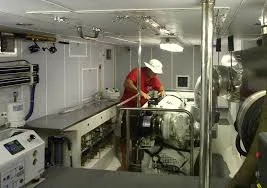
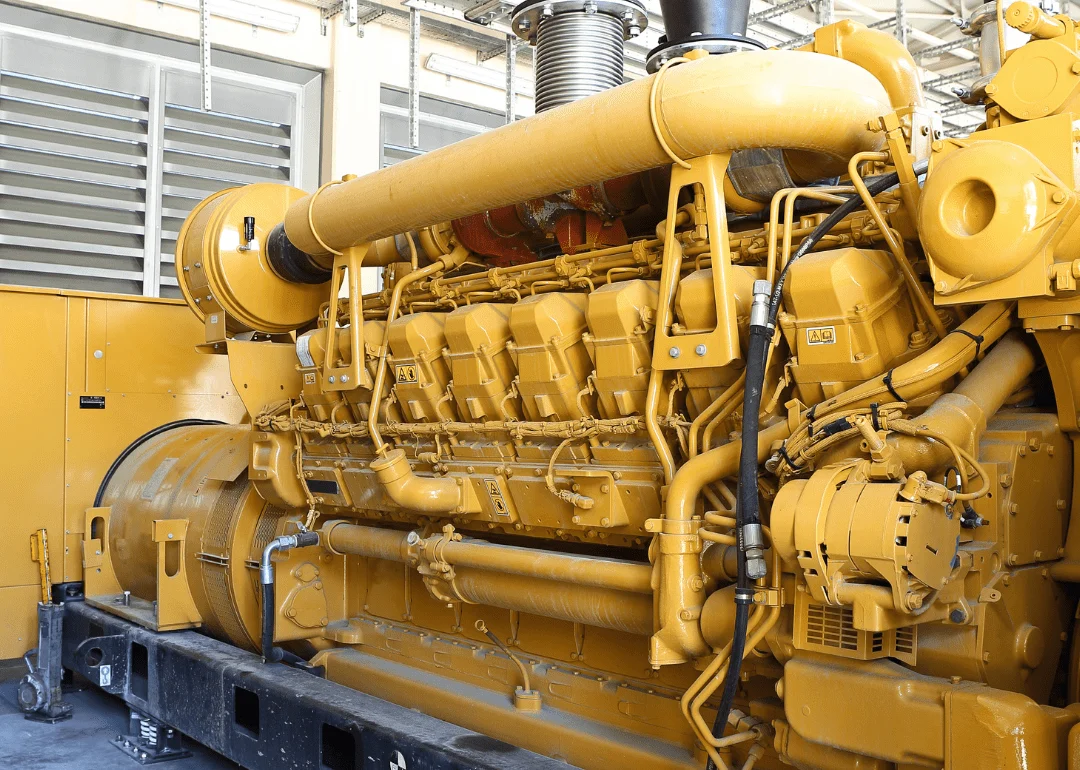
The chief engineer immediately began diagnosing the fuel system failure. Visual inspection of the fuel injection pump assembly revealed the coupling connecting the fuel pump drive shaft to the engine crankshaft had fractured—likely due to material fatigue or pre-existing microscopic cracking.
Technical Specifications
The coupling is Caterpillar OEM component part number 117-2701, designed specifically for the C32 ACERT engine series. The coupling must meet precise specifications: bore tolerance of +0.001/-0.0005 inches, hardness rating of 58-62 HRC (Rockwell hardness), and dynamic balance tolerance of 0.3 ounces per inch.
The component cannot be substituted with aftermarket alternatives. Maritime regulations (SOLAS, vessel class requirements) mandate that all marine machinery components be OEM-certified. Using non-OEM couplings voids engine warranty and creates liability if component failure is later alleged to have caused casualty.
Part lead time from Caterpillar's primary distribution channels is typically 5-7 working days. However, Caterpillar maintains dealer networks globally with emergency inventory precisely for situations such as this.
Critical Documentation
The vessel's engine documentation (Certificate of Class, engine maintenance records, service history) was essential for establishing the service urgency and justifying emergency shipping arrangements. The captain assembled copies of the engine serial number, official part number, and documented evidence of the component failure.
Sourcing Strategy
The chief engineer and the vessel's manager (based in Malta) simultaneously initiated emergency sourcing procedures. The sourcing strategy had two parallel tracks: direct contact with Caterpillar emergency services and engagement of Mercer Yachting's global supply network.
Direct Caterpillar Engagement
Contact with Caterpillar Marine Emergency Support (available 24/7) at their Global Support Hotline (+1-309-675-3000) confirmed that the coupling was stocked at multiple regional distribution centers, including the Southern Europe hub in Barcelona. Caterpillar emergency support protocols enabled expedited release of the part without the standard corporate order procedures.
However, Caterpillar could not directly arrange same-day delivery to the vessel's location 140 nautical miles offshore. Instead, Caterpillar committed to having the part available at the Barcelona warehouse within 2 hours of order confirmation, with proper documentation for international shipment.
Logistics and Delivery Planning
The vessel owner engaged a specialty marine logistics company (DHL Heavy Freight) to arrange emergency delivery. DHL coordinated: pickup of the part from Caterpillar Barcelona; documentation preparation; and fast courier delivery to the nearest port (Palma de Mallorca, approximately 100 nautical miles from the disabled vessel).
A second element of the strategy: the vessel itself would navigate toward Palma under minimal propulsion (emergency tug assistance was offered but declined to preserve operational schedule and minimize costs). The vessel was fitted with auxiliary generators and watersports tenders, enabling guest transfer to shore if necessary—but the goal was to restore propulsion before guest operations were required.
The CAT Dealer Network
The Caterpillar global dealer network is one of the most comprehensive supply chains in the maritime industry. This network was instrumental in achieving the 18-hour sourcing timeline.
Regional Distribution Centers
Caterpillar maintains regional distribution centers strategically positioned to serve major maritime clusters: Barcelona (serving Mediterranean), Rotterdam (serving Northern Europe), Singapore (serving Asia-Pacific), and Houston (serving North America). These centers stock high-frequency items, including fuel system components.
The Barcelona distribution center maintains approximately 8-12 units of the C32 ACERT fuel injection pump coupling in inventory at any time. This stock is maintained specifically for emergency situations and priority dealer orders.
Dealer Certification and Support
Caterpillar dealers (such as MEC—Mediterranean Engine Company, based in Barcelona) are certified to diagnose and support C32 ACERT engines. These dealers are empowered to place emergency orders with Caterpillar distribution centers and to perform warranty work on Caterpillar-equipped vessels.
When contacted by the vessel manager, MEC immediately contacted Caterpillar Barcelona distribution to confirm part availability, initiate emergency order processing, and arrange expedited logistics. This dealer network relationship proved invaluable—direct customer contact with Caterpillar would have required approval processes that extended sourcing time.
Technical Guidance
MEC provided critical technical guidance: confirmation that the coupling part number was correct; specification of required tools for coupling installation and removal; and guidance on torque specifications and assembly procedures. This technical support enabled the vessel's chief engineer to prepare for installation before the part arrived.
Logistics & Freight
The logistics component of the emergency sourcing operation was itself a complex supply chain challenge. Movement of critical marine parts across international borders requires coordination of multiple regulatory systems and freight companies.
Customs Clearance
The fuel injection pump coupling is classified under HS Code 8413.6 (engine parts) and is subject to EU import/export regulations. DHL's customs brokerage team immediately began preparing documentation: commercial invoice from Caterpillar, customs declaration, and shipping manifest.
Since both Barcelona (origin) and Palma de Mallorca (destination) are within EU member states (Spain), no tariff barriers apply and customs clearance is streamlined. DHL estimated customs processing would require maximum 45 minutes.
Freight Routing
DHL heavy freight initially planned routing via ground transportation from Barcelona to Palma (ferry service available). However, this routing would have required 8-10 hours due to ferry scheduling. Instead, DHL arranged helicopter charter from Barcelona to Palma, reducing transit time to 1.5 hours and enabling same-day delivery to the vessel when it reached Palma anchorage.
The helicopter charter cost was approximately EUR 4,200 (vs. EUR 350 for conventional ground/ferry routing). However, the 6-8 hour time savings and mitigation of charter disruption justified the premium freight cost to the vessel owner.
Coordination with Vessel
Real-time coordination with the vessel enabled optimization of delivery timing. The disabled vessel was directed to proceed at maximum speed toward Palma (using auxiliary power from generators). The captain and manager maintained radio contact with the logistics coordinator, confirming ETA and arranging for a logistics representative to meet the helicopter at Palma and transfer the part to a tender vessel for offshore delivery.
Installation & Testing
Upon arrival of the replacement coupling at the vessel's location (approximately 20 nautical miles offshore from Palma), the chief engineer began installation procedures. The coupling installation is a moderately complex task requiring precision alignment and specific tools.
Removal of Failed Component
The failed coupling had to be carefully removed from the fuel injection pump drive shaft. This required disconnecting the fuel injection pump from the engine (approximately 2-hour procedure), removing fasteners (8x M10 bolts, torqued to 80 Nm), and extracting the coupling using a specialized puller tool.
The chief engineer had pre-positioned tools before the part arrived, reducing installation time. The failed coupling was photographed for documentation and retained for analysis (post-failure investigation might identify root cause of premature failure).
Component Installation
The new coupling was installed with careful attention to specification: bore dimensions were verified against the pump shaft with precision calipers; fasteners were cleaned and inspected; and torque specifications were followed precisely (80 Nm per Caterpillar specification, verified with calibrated torque wrench).
Installation consumed 4 hours from removal of the failed component to complete reassembly and ready-to-test condition.
Testing Protocol
The engine was started (first time with new coupling) and operated at idle for 15 minutes to verify normal operation. Fuel pressure, oil pressure, engine temperature, and vibration were monitored. All parameters were normal. The engine was then operated at incrementally increasing load (25%, 50%, 75%, 100% rated power) for 15 minutes at each power level.
At full power (850 kW), the engine operated normally with all parameters in specification. Vibration levels were unchanged from pre-failure baseline. The coupling was confirmed as properly installed and functioning normally.
Following the 2-hour test run, the fuel injection pump assembly was sealed per standard operational procedures. The vessel was declared ready for full operations at 16:00 on November 9, approximately 18 hours after the initial component failure.
Lessons Learned
This emergency sourcing and repair case study provides valuable lessons for superyacht operators and fleet managers regarding emergency preparedness and supply chain management.
Critical Spare Parts Inventory
The vessel was equipped with comprehensive emergency spares (fuel filters, oil filters, hoses, belts) but did not carry a fuel injection pump coupling. While this coupling is not a routine maintenance item (typically serviceable for 10,000+ hours), its failure is possible due to material fatigue or manufacturing defects.
Recommendation: vessels operating more than 7-10 days transit time from major ports should carry mission-critical spares: fuel injection pump coupling, turbocharger bearing assemblies, fuel injection nozzles, and alternator units. For C32 ACERT engines, these spares cost approximately EUR 8,000-12,000 and require minimal storage space (approximately 1 cubic meter).
Relationship Development with Authorized Service Centers
The critical factor enabling 18-hour sourcing was the relationship between the vessel manager and MEC (Caterpillar's authorized dealer). This relationship enabled expedited order processing and technical guidance. Fleet managers should establish formal relationships with OEM-authorized service centers in operating regions before emergencies occur.
These relationships should include: emergency contact procedures, standing orders for critical spares, and pre-authorized emergency order authority. A simple email or call to an established contact point accelerates response dramatically compared to cold-contact emergency sourcing.
Logistics Network Capability
The availability of premium logistics support (helicopter charter, 24-hour customs brokerage) was instrumental in meeting the 18-hour timeline. Vessel operators should identify logistics partners capable of emergency response and should maintain standing agreements for expedited freight handling.
For Mediterranean operations, specialty logistics companies with regional hubs (Barcelona, Palma, Marseille) enable same-day delivery of emergency parts. The cost premium (EUR 4,200 in this case) is justified by the operational value of rapid problem resolution.
Documentation and Pre-Planning
The smooth emergency response was supported by: accurate vessel documentation (engine serial numbers, part numbers); availability of engine technical manuals aboard the vessel; pre-positioning of tools; and trained personnel capable of executing component replacement. Recommendations for fleet managers:
- Maintain digital copies of all engine documentation on multiple devices (USB, cloud backup)
- Conduct quarterly drills simulating component failures and sourcing responses
- Develop checklist procedures for component installation, testing, and verification
- Establish metrics for emergency response (e.g., target 24-hour resolution for critical components)
Sources & References
This article incorporates technical information and best practices from the following authoritative sources:
- Caterpillar ACERT Series Manuals: Operating procedures and service schedules for Caterpillar marine propulsion systems
- Caterpillar Marine Emergency Support: Global emergency parts sourcing and dealer network
- DHL Heavy Freight: International maritime logistics and customs brokerage
- International Maritime Organization (IMO): STCW Convention standards and maritime safety frameworks
- SOLAS Convention: Safety requirements for propulsion system compliance
- Lloyd's Register: Classification requirements for marine machinery components
For specific engine documentation, consult your vessel's Certificate of Class and manufacturer's service manuals. Mercer Yachting recommendations are current as of February 2026 and subject to change based on regulatory updates.