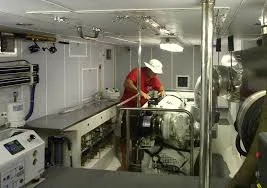
Pre-Voyage Inspection Protocol
Before embarking on any long-distance voyage, a comprehensive engine room inspection is non-negotiable. This foundational protocol ensures that all systems are operating within design parameters and identifies potential issues before they become critical failures at sea.
Start with a visual inspection of the engine block and surrounding systems. Look for evidence of oil seepage, corrosion, or loose connections. Check all fasteners, particularly around the cylinder head bolts, which should be torqued to manufacturer specifications. For MTU 16V 4000 M93L engines, these typically require re-torquing at specific intervals outlined in your vessel's Certificate of Class.
Document the condition of all hoses and belts. Age-related deterioration is the leading cause of at-sea engine failures. Any hose showing cracking, hardening, or discoloration should be replaced immediately—not patched. High-pressure fuel and coolant lines should be inspected for pinhole leaks, which can rapidly escalate in severity.
Verify that all safety devices are functioning properly: pressure relief valves, temperature shutdown systems, and emergency stops. These systems protect your engine and crew and are required by SOLAS Chapter II-1 regulations.
Fluid Systems & Levels
Proper fluid levels are critical to engine longevity and reliability. Establish a systematic checking procedure that becomes routine for your engineering crew.
Engine Oil Management
Check crankcase oil levels using the dipstick when the engine is cold and on level ground. For the Caterpillar 3516C, oil capacity is approximately 350 gallons; even small percentage drops can impact bearing protection. Maintain oil within the manufacturer's specified range—typically marked between MIN and MAX indicators.
Plan for regular oil analysis every 250 running hours. This identifies metallic wear particles, water contamination, and viscosity changes before they cause damage. Many superyacht operators use condition-based monitoring to extend oil change intervals safely from 750 hours to 1,000+ hours.
Coolant System Maintenance
Freshwater cooling systems require inhibited glycol-based coolant to prevent corrosion in ferrous components. Check levels daily and monitor for leaks. MAN V12-1900 engines require specific coolant specifications; using incompatible fluids can damage gaskets and pump seals.
Maintain coolant pH between 9.5 and 11.5. Beyond this range, protective layers break down and corrosion accelerates. Annual pH testing should be standard practice aboard any vessel with extended cruising plans.
Fuel System Integrity
Inspect fuel level gauges against actual tank measurements. Discrepancies indicate either gauge calibration issues or potential tank leaks. Test fuel water content quarterly; even small quantities of entrained water cause fuel injector fouling.
Filtration Schedule
The filtration system is your engine's first line of defense against contamination. A comprehensive maintenance schedule keeps these systems operating at peak efficiency.
Primary Engine Oil Filters
Replace primary oil filters every 500 operating hours or per manufacturer guidance, whichever comes first. For long voyages exceeding 1,000 hours between service intervals, carry a spare full-flow filter set aboard. Secondary filters provide protection if the primary fails but cannot sustain indefinite operation.
Inspect filter elements for bypassing indicators, which show if differential pressure relief valves have opened. This indicates filter loading and helps predict replacement timing.
Fuel Filtration
Two-stage fuel filtration is standard: a 10-micron primary filter serving the engine fuel system and a 2-micron pre-filter upstream for tank protection. Replace filters according to differential pressure indicators or every 500 hours, whichever comes first.
For vessels operating in regions with inconsistent fuel quality (common in developing port nations), consider auxiliary polishing equipment that circulates fuel through 3-micron and 1-micron stages before engine consumption.
Coolant Filters
Coolant filters protect the entire freshwater cooling system. Replace every 1,000 operating hours. Inspect the filter cartridge for metallic particles indicating internal corrosion—a sign of coolant chemistry issues requiring immediate attention.
Cooling System Checks
The cooling system is the engine's temperature regulator and requires meticulous attention. Failure results in rapid heat damage and potential catastrophic engine failure.
Seawater Cooling Circuit
Inspect the through-hull seacock for smooth operation. Corroded valves may appear functional but close intermittently under vibration. Apply light penetrating oil and exercise the valve daily during extended voyages to prevent seizing.
Check the strainer basket weekly in tropical waters and bimonthly elsewhere. Marine growth clogs strainers rapidly, restricting flow and forcing the engine into overheat shutdown. Carry replacement baskets and the tools required to access your specific installation.
The heat exchanger should be inspected internally every two years during haul-out. Scale deposits reduce cooling efficiency; chemical descaling may be performed without removal if internal fouling is suspected.
Freshwater Cooling Loop
Monitor expansion tank levels daily. Never open the expansion tank cap when the engine is hot—superheated coolant can cause severe burns. Allow at least two hours of cooling before servicing the system.
Thermostat effectiveness should be verified annually. A failing thermostat causes either sustained overheating (stuck open) or inadequate warm-up on cold-weather voyages (stuck closed). Neither condition is acceptable.
Hose and Connection Integrity
All cooling system hoses should be replaced every 5 years regardless of condition. Rubber degrades from internal oxidation, making hose failures unpredictable. Schedule replacements during scheduled maintenance, not emergencies.
Exhaust System Inspection
The exhaust system experiences extreme thermal and chemical stress. Regular inspection prevents dangerous leaks and maintains engine efficiency.
Manifold and Turbocharger Assessment
Inspect exhaust manifolds monthly for visible cracks. The manifold experiences thermal cycling from cold starts and shock loads from throttle transients. Even small cracks allow exhaust gas escape and reduce scavenging efficiency.
Turbocharger bearings require proper oil quality and flow. Check turbo inlet oil filter every 500 hours. Metal debris in the filter indicates bearing wear—a precursor to catastrophic turbo failure.
Muffler and Exhaust Piping
Inspect muffler internals for erosion and corrosion. Salt spray and condensation accelerate deterioration. The muffler should be disassembled and inspected annually in corrosive marine environments.
Exhaust piping support clamps should be checked for vibration-induced loosening. Vibrating pipes fatigue rapidly and can crack or separate. All piping should be secured at intervals specified by your engine manufacturer—typically no more than 3 feet apart.
Water-Jacketed Exhaust Lines
If your vessel uses water-jacketed exhaust lines, ensure coolant flow is active before engine start. Dry starting a water-jacketed manifold can cause thermal shock and cracking. Verify thermostat function to prevent overheating the exhaust system.
Electrical Systems
Modern marine diesel engines rely on sophisticated electrical systems for fuel injection, turbo control, and diagnostics. Electrical failures are increasingly common causes of engine shutdowns.
Battery Systems
Engine start batteries should be load-tested quarterly. A battery showing less than 90% of rated capacity should be replaced before critical operations. Verify that battery cables are properly sized—undersized cables cause voltage drop and poor starter engagement.
Battery terminals must be clean and tight. Corroded terminals increase resistance and reduce cranking power. Apply dielectric grease to terminals after cleaning to prevent recontamination.
Alternator Output
Verify alternator output at the battery terminals with the engine running at 1,000 RPM. Output should be within 1-2 volts of the battery voltage. Low output indicates worn brushes or failing regulators. Check output every 500 operating hours.
Fuel Injection Electronics
Modern engines employ electronic fuel injection with multiple sensors feeding the engine control module. Any fault code should be retrieved and addressed before departure. Sensor failures degrade fuel efficiency and increase emissions.
Verify fuel rail pressure with a diagnostic gauge before long voyages on electronically managed engines. Low fuel pressure causes hard starts and insufficient power.
Emergency Spares Inventory
Long-distance voyages require a thoughtfully assembled spare parts inventory. Certain items are critical to maintaining propulsion and preventing extended downtime.
Essential Engine Spares
- Complete fuel injection pump seal kit
- Full-flow and bypass oil filters (minimum 2 of each)
- Primary and secondary fuel filters
- Coolant system hose assortment (1-inch through 2-inch diameters)
- Hose clamps, assorted stainless steel sizes
- Complete gasket set for engine block access panels
- Turbocharger inlet oil filter cartridge
- Thermostat cartridge (correct temperature rating)
- Water pump seal kit
- Engine start batteries (if space permits)
Fluids Inventory
Carry reserves of each fluid type your engine requires: engine oil (full system capacity), coolant (50% system capacity), and marine diesel fuel (internal tank reserve for at-sea emergency engine work).
Tools and Documentation
Ensure your spare parts inventory includes manufacturer service manuals covering your specific engine model and series. Digital copies on multiple devices (USB drive, tablet) prevent loss. Include pressure test equipment, compression testers, and fuel system testing kits appropriate to your powerplant.
Documentation & Logging
Comprehensive engine maintenance documentation serves multiple critical functions: regulatory compliance, warranty protection, and historical analysis of engine health trends.
Required Documentation
Maintain logs of all engine operating hours, fuel consumption, and maintenance activities. This documentation is required by the International Safety Management (ISM) Code and is essential for underwriters investigating casualty claims.
Record fluid analysis results in a dedicated logbook. Trends in wear metals, water content, and viscosity reveal incipient problems before they manifest as operational issues.
Regulatory Compliance
Your vessel's Classification Society (Lloyd's Register, RINA, DNV GL, ABS) requires documented compliance with maintenance intervals. Non-compliance can result in survey failures and loss of class notation, which invalidates insurance coverage.
Maintain certificates for all major service events: overhauls, seal replacements, and fuel system work. These documents evidence proper maintenance and support warranty claims if defects are discovered.
Crew Training Records
Document that crew members have been trained in engine system operation, emergency procedures, and maintenance protocols. This satisfies STCW Convention requirements and ensures crew competency in your specific powerplant.
Create simplified checklists for daily and weekly engine room inspections. Standardized procedures reduce human error and ensure consistent attention to critical parameters.
Sources & References
This article incorporates technical information and best practices from the following authoritative sources:
- MTU Marine Engine Documentation: Maintenance guidelines and technical specifications for high-performance marine diesel engines
- Caterpillar ACERT Series Manuals: Operating procedures and service schedules for Caterpillar marine propulsion systems
- MAN Diesel & Turbo Technical Publications: Engine maintenance protocols and fluid specifications
- International Maritime Organization (IMO): STCW Convention standards and maritime safety frameworks
- International Labour Organization (ILO) MLC 2006: Maritime Labour Convention standards and amendments
- Lloyd's Register & RINA: Classification Society standards for vessel inspection and maintenance
- EU Customs Regulation 952/2013: Union Customs Code provisions for maritime vessels
- Transport Malta: Malta Merchant Shipping Act (Chapter 234) and maritime regulations
For specific engine documentation, consult your vessel's Certificate of Class and manufacturer's service manuals. Mercer Yachting recommendations are current as of February 2026 and subject to change based on regulatory updates.