Deck & Rigging
Rigging, Running Gear & Lifting for Superyachts, Cruise & Commercial Vessels
Certified Rigging Solutions for Every Operation
Professional-grade rigging, running gear, and lifting equipment engineered for superyachts, cruise ships, and commercial vessels. From high-tensile wire rope and terminals to certified lifting slings, hoists, and lifting eyes, we supply complete rigging systems with full SWL/WLL documentation.
Procuring for your vessel? See Technical Spares & Procurement — 500+ supplier network, transparent pricing, Mediterranean delivery.
What We Supply
- Marine-grade wire rope (stainless, galvanized, and specialty grades)
- Wire rope terminals, fittings, and splicing equipment
- Turnbuckles, tensioners, and adjustment systems
- Shackles, D-rings, and specialty fasteners
- Sheaves, blocks, and pulley systems
- Certified lifting slings, chains, and rigging hardware
- Marine hoists, davits, and lifting equipment with test certificates
How to Specify
- Wire Rope Specifications: Diameter, grade (galvanized, stainless 316), construction type, and total length required
- SWL/WLL Ratings: Safe Working Load for slings, shackles, and lifting components based on application
- Terminal Type: Swaged, mechanical, or splice terminals with load ratings
- Certification Requirements: DNV, ABS, Lloyd's, or other classification society approvals needed
- Lifting Attachments: Lifting eyes, clevises, hooks, and custom attachment specifications
- Documentation & Testing: Load test certificates, material certs, and inspection records needed
Common RFQs for Rigging & Lifting
Typical Requests (15+):
- Stainless steel wire rope 8mm x 500m, SWL 5000 kg
- Turnbuckles and rigging screws assorted sizes
- Wire rope terminals swaged eyes and studs (qty 20)
- Lifting slings 2-tonne SWL certified (qty 10)
- Pulley blocks double and triple sheaves
- High-tensile shackles 316L stainless (qty 15)
- Tender davit lifting system 2.5 metre boom
- Galvanized steel cable 10mm x 200m for running rigging
- Lifting eyes and pad eyes SWL rated
- Chain slings grade 80 certified (qty 8)
- Wire rope splicing service custom lengths
- Rigging hardware assortment for 50m superyacht
- Load test and certification of installed lifting systems
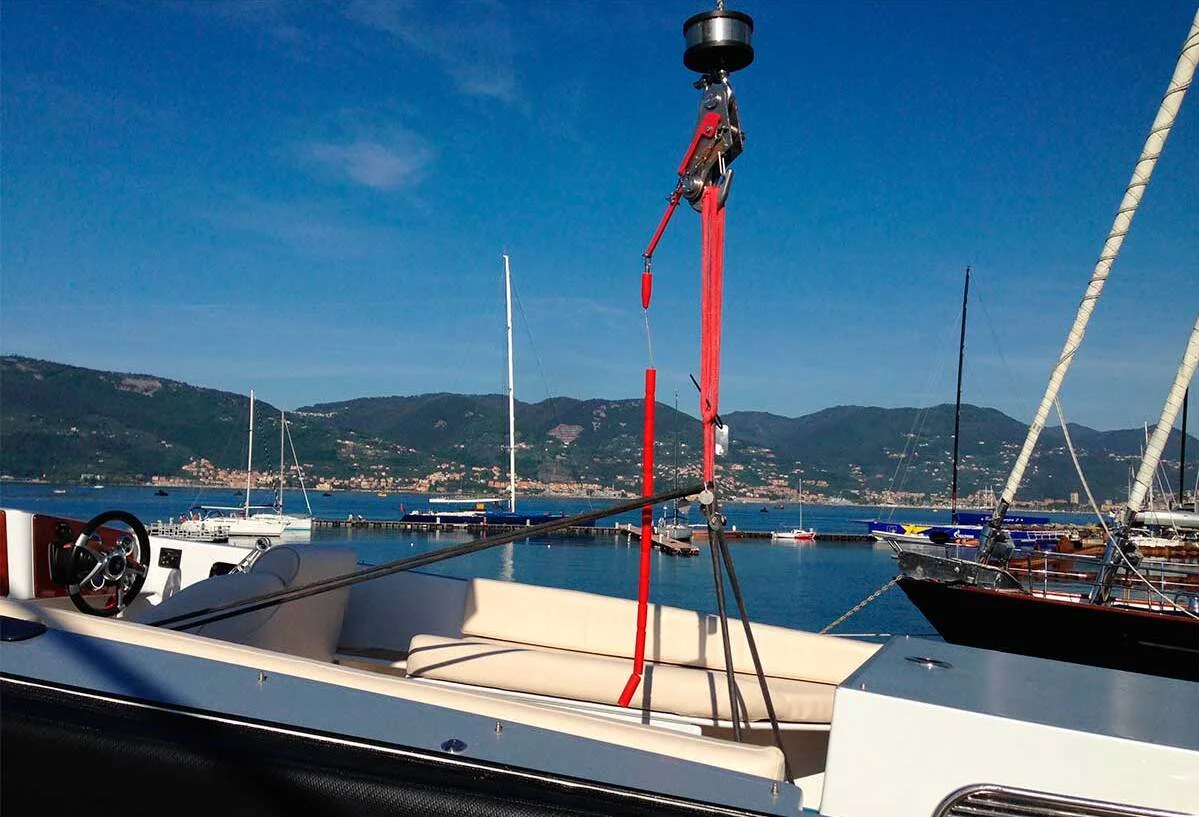
- Tender crane arm with integrated winch system
- Annual inspection and recertification of rigging systems
Frequently Asked Questions
What is the difference between galvanized and stainless steel wire rope?
Galvanized steel wire rope is cost-effective and strong but requires maintenance and can rust if coating is damaged. Stainless steel (316 grade) offers superior corrosion resistance in saltwater, requires minimal maintenance, and is ideal for exposed yacht rigging.
What does SWL and WLL mean?
Safe Working Load (SWL) and Working Load Limit (WLL) are maximum safe working loads for rigging components. Always choose components with SWL/WLL ratings 3-5x higher than your actual working load. This safety factor ensures reliability under variable ocean conditions.
How often should wire rope be inspected?
Visual inspection every month for corrosion, kinks, and broken strands. Professional NDT (non-destructive testing) annually for heavily used rigging. Any sign of wear or damage requires immediate replacement of that section.
What is wire rope splicing and why is it important?
Splicing creates permanent rope-to-rope or rope-to-fitting connections by weaving strands together. It maintains 90-100% of wire rope strength, whereas knots reduce strength by 50%. Professional splicing is critical for running rigging safety.
Can you provide certified lifting equipment?
Yes, all our lifting slings, chains, and davit systems carry DNV, ABS, or Lloyd's certification with load test certificates. We also offer load testing and recertification services for existing lifting equipment.
Do you offer custom rigging configurations?
Yes, we can design and manufacture custom rigging systems for tender davits, cargo handling, and specialized deck operations. Provide your vessel plans and operational requirements, and we'll engineer a complete solution.
What is the lead time for wire rope orders?
Standard wire rope ships within 1-2 weeks. Custom-assembled rigging with terminals and splicing may take 3-4 weeks. Certified davits and lifting systems typically require 6-10 weeks. Emergency expediting available for critical repairs.
Do you provide installation and commissioning?
We coordinate with certified riggers worldwide for professional installation and load testing. We can provide on-site supervision, training, and commissioning support. Contact us for specific arrangements.