Market Expectations and Demand Outlook
The 2026 Mediterranean season anticipates sustained demand for superyacht charters and owner-operated passages, with demand patterns reflecting shifting economic conditions and evolving owner preferences. Market intelligence indicates moderately strong booking momentum through the spring charter season, with particular strength for vessels positioned in established Mediterranean homeports by late April.
Superyachts completing Caribbean winter seasons face tight window requirements for Atlantic crossing repositioning to Mediterranean positions by mid-May. Vessels departing Caribbean locations after March 15 face increasing weather risk and operational uncertainty for transatlantic passages, necessitating earlier departures or extended positioning periods in intermediate locations such as the Azores or coastal Portugal. Operators managing multiple-region vessels should finalize repositioning schedules by February to secure optimal passage windows and reliable logistical support.
Charter demand patterns favor established itineraries spanning the Western Mediterranean (Spain, France, Balearic Islands), Central Mediterranean (Italy, Sardinia, Corsica), and Eastern Mediterranean (Croatia, Greece). Emerging demand centers in Albania and Montenegro indicate market expansion toward less-saturated destinations, though infrastructure limitations and berthing availability remain constraints in these regions. Vessels targeting newer destinations should engage local provisioning partners and marine services early—infrastructure gaps intensify during peak season.
Port Infrastructure and Berthing Availability
Mediterranean port infrastructure continues facing capacity constraints as superyacht fleet size and vessel dimensions expand. Mega-yachts exceeding 150 meters encounter severe limitations in available berths, particularly for vessels requiring protected inner harbor positioning or demanding specialized facilities such as dedicated refueling installations or advanced provisioning infrastructure.
Capacity Constraints and Alternatives
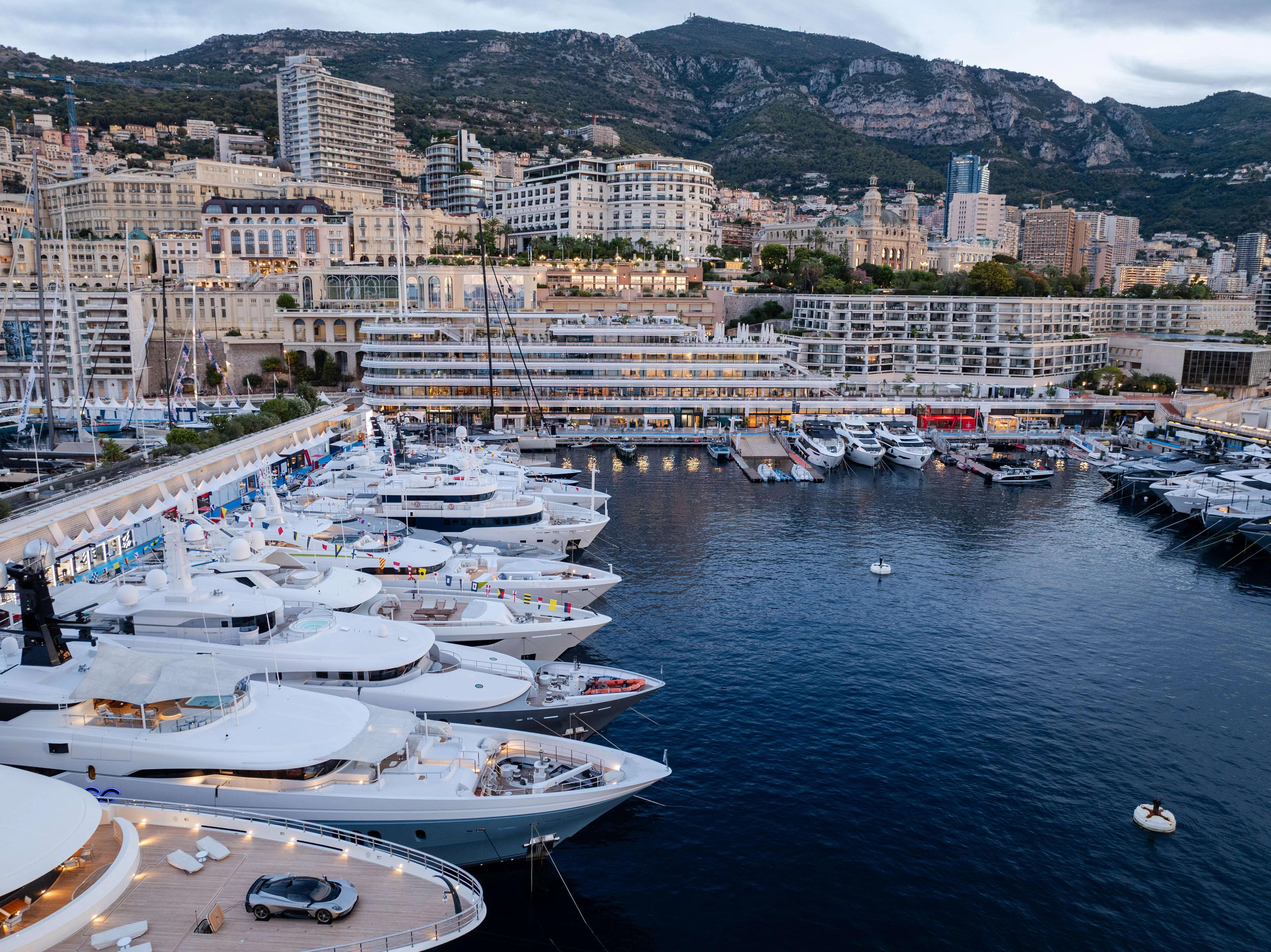
Traditional superyacht hubs including Monaco, Cannes, Porto Cervo, and Ibiza maintain premium berthing capacity at elevated costs, with daily rates ranging from €800–€2,500 depending on vessel size and services required. Early booking (6-8 weeks in advance) becomes essential for securing preferred berthing during peak season periods (July-August). Operators should evaluate secondary ports offering comparable facilities at reduced costs: Barcelona, Palma, Naples, and Messina provide quality infrastructure with greater availability and reduced premium positioning costs.
New mega-yacht ports continue development across Mediterranean destinations, including expanded facilities in Malta, Croatia, and Greece. These emerging ports offer competitive berthing rates and modern infrastructure, though some still require operational procedures refinement and comprehensive marine services establishment. Early adoption of emerging port infrastructure provides significant cost advantages while supporting relationship development with progressive port operators.
Anchorage and Field Berthing
Vessels willing to anchor in designated field locations can access premier Mediterranean cruising grounds while deferring substantial berthing costs. High-quality anchorage locations in the Balearics, French Riviera, Sardinia, Corsica, and Croatia provide protected holding ground and exceptional water clarity. Field berthing requires securing capable tendering platforms, establishing crew scheduling procedures for shore access, and developing reliable provisioning logistics for onboard delivery operations.
Provisioning and Supply Chain Developments
Mediterranean provisioning infrastructure continues evolving in response to superyacht industry expansion and increasingly sophisticated owner expectations regarding fresh provisions, specialty dietary accommodations, and organic/sustainable sourcing. Provisioning costs and availability vary substantially across Mediterranean regions, with Western Mediterranean ports offering premium pricing for specialized products balanced against comprehensive inventory availability.
Crew training and provisioning management have become critical operational competencies. Vessels implementing advanced inventory management systems and establishing relationships with regional provisioning specialists achieve superior food cost management and quality standards compared to casual provisioning approaches. Professional provisioning services handling complete crew provisioning, specialty dietary accommodations, and meal planning services command premium fees (€2,000–€5,000 monthly depending on crew size and dietary requirements) but deliver substantial operational efficiency gains and crew satisfaction improvements.
Sustainable and local provisioning has transitioned from boutique positioning to mainstream expectation among environmentally-conscious owners. Mediterranean ports including Barcelona, Nice, Valencia, and Palma maintain established farmer's markets and specialty suppliers accommodating sustainable sourcing requests. Operators targeting sustainability-focused clientele should develop relationships with regional provisioning partners early, enabling authentic sustainable sourcing rather than merely advertised initiatives.
Regulatory and Maritime Operations Updates
Expanded environmental regulations affecting 2026 Mediterranean operations include ballast water discharge restrictions in concentrated port areas, particularly around Venice Lagoon and Turkish straits. Vessels with active ballast water treatment systems maintain operational flexibility; those relying on mid-ocean exchange procedures face extended transit times and potential delays in achieving berthing locations.
Port state control intensification continues in Mediterranean waters, with enhanced focus on crew competency documentation, cybersecurity compliance verification, and propulsion system emissions certification. Vessels maintaining comprehensive crew training records and updated technical documentation encounter minimal inspection delays. Those lacking current documentation face operational delays and potential detention pending remediation.
Enhanced customs procedures affecting Mediterranean transits (particularly regarding crew immigration documentation, provisioning goods import/export, and entertainment equipment temporary importation) require updated crew passports, crew change protocols, and detailed equipment declarations. Operators coordinating crew changes or extended repositioning operations should consult customs consultants early to ensure compliant procedures and minimize operational delays.
Recommended Seasonal Itineraries and Operational Timing
Optimal Mediterranean seasonal operations follow distinct phases based on weather patterns, charter demand, and operational logistics.
Spring Season (May-June)
Early spring positioning from Caribbean or Atlantic repositioning bases should target Iberian Peninsula locations (Barcelona, Palma) or southern French ports (Toulon, Cannes) by late May. These positions enable market participation in spring charter season while providing geographic flexibility for westbound transits in event of early Atlantic system activity. Charter demand remains solid through June, with rates achieving 80-90% of peak season rates while port congestion remains manageable and weather windows remain predictable.
Summer Peak Season (July-August)
Peak demand and elevated berthing costs concentrate vessels in Western Mediterranean premium positions. Operators accepting lower charter demand and positioning challenges can achieve cost efficiency by operating eastbound into Italian, Croatian, and Greek waters during July-August, capturing secondary market demand while avoiding premium-location cost concentration. Late August eastern Mediterranean operations provide strong cruising conditions while autumn transition risk remains minimal.
Autumn Shoulder Season (September-October)
September represents exceptional cruising conditions with reduced port congestion, cooling weather patterns, and extended charter season demand. Vessels positioned throughout Mediterranean experience strong operational conditions and solid charter demand with reduced berthing competition. October transitions toward winter repositioning decisions, with westbound vessels initiating Caribbean transit preparations and eastbound vessels transitioning toward winter Caribbean positioning or extended Mediterranean operations.
Crew Logistics and Personnel Management
Mediterranean charter operations demand robust crew change logistics and established shore-based personnel support infrastructure. Major crew change locations including Barcelona, Palma, Nice, Rome, and Athens maintain active helicopter transport services, commercial flight connectivity, and ground transportation logistics. Secondary crew change ports including Valencia, Civitavecchia, and Split offer adequate infrastructure with simplified procedures and reduced fees relative to major hubs.
Crew accommodation logistics during shore leave and crew change procedures should be coordinated with Mediterranean-based hospitality partners offering preferred rates and service standards aligned with superyacht industry expectations. Established crew housing providers offer cost-effective alternatives to commercial accommodations, typically at €50–€100 nightly versus €200–€350 for comparable commercial properties.
Crew training and professional development programs should leverage Mediterranean location infrastructure, particularly during less commercially-active periods (November-April). Regional training providers offer advanced seamanship, specialized yacht systems training, and professional development programming at cost-effective rates compared to equivalent programs in northern European locations. Investing crew development resources during slower operational periods enhances personnel capabilities while managing training costs effectively.
Strategic Planning Recommendations for 2026 Operations
Operators planning Mediterranean 2026 seasons should initiate planning activities immediately, establishing provisioning partnerships, port facility relationships, and crew logistics coordination during the upcoming months. Late planning efforts encounter substantially constrained options and premium pricing across all operational dimensions.
Vessel repositioning from non-Mediterranean winter locations should be finalized through established logistics partners, utilizing professional crew and technical resources for Atlantic crossings and intermediate positioning. DIY repositioning efforts introduce unnecessary risk and operational inefficiency—professional repositioning coordination services provide superior cost outcomes despite upfront service fees.
Technology infrastructure supporting digital operations (navigation systems, communication platforms, crew management systems) should be validated and upgraded before Mediterranean season departure. Internet connectivity constraints affect Mediterranean operations less than previous years, but establishing redundant communication systems and backup operational procedures enhances operational resilience across challenging periods.
Sources & References
This dispatch draws on market intelligence and operational data from the following sources:
- International Maritime Organization (IMO): Maritime regulatory frameworks and environmental compliance standards
- Mediterranean Port Authorities: Berthing infrastructure data, capacity projections, and facility developments
- Transport Malta: Malta Merchant Shipping Act (Chapter 234) and maritime operations regulations
- EU Customs Regulation 952/2013: Union Customs Code provisions for vessel provisioning and crew logistics
- Mediterranean Yacht Brokers Association (MYBA): Charter market demand data and seasonal booking trends
Mercer Yachting operational recommendations are current as of January 2026 and subject to change based on market conditions and regulatory updates.