Sustainability Takes Center Stage
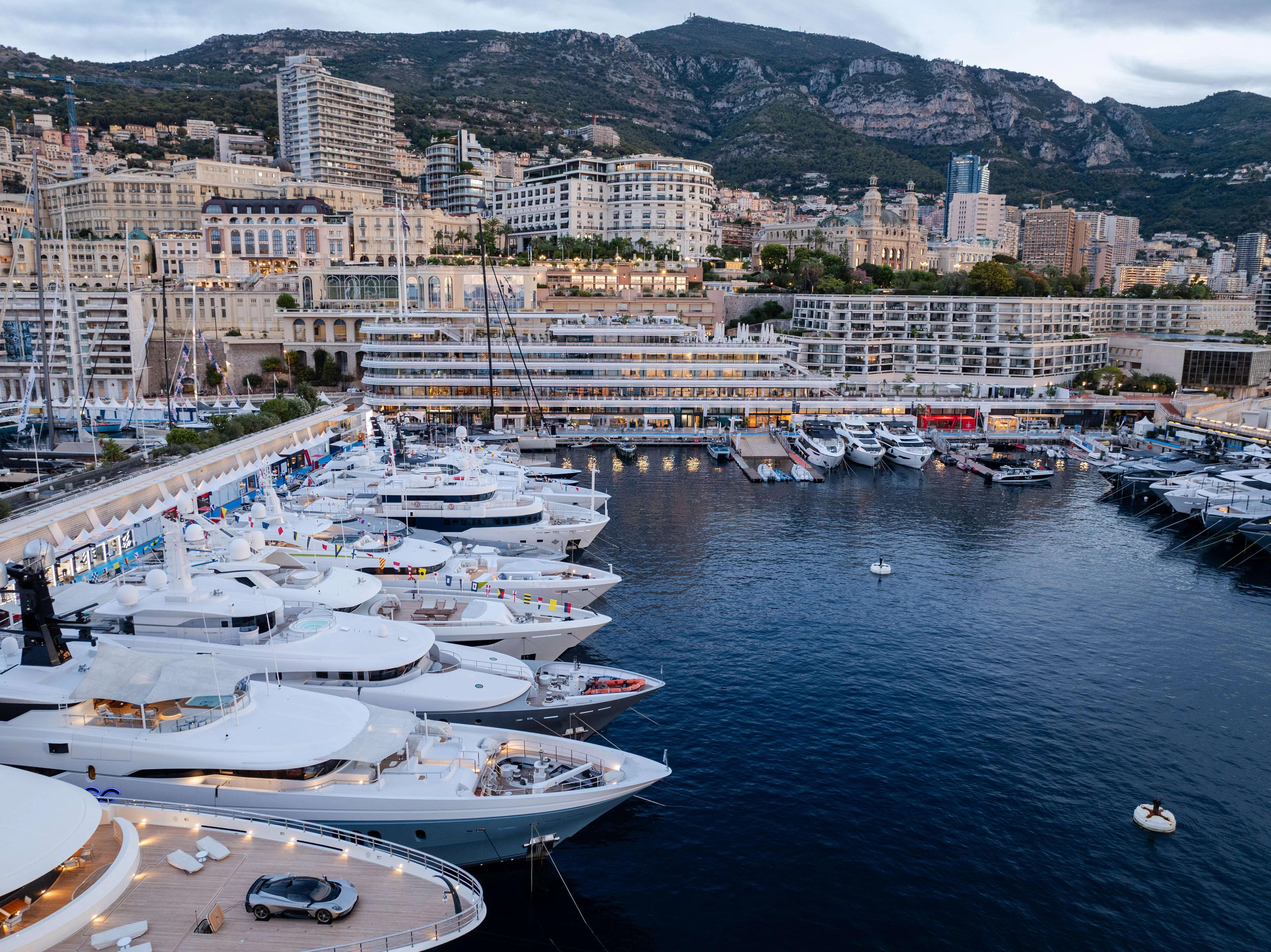
The 2025 Monaco Yacht Show demonstrated a remarkable shift in industry priorities, with environmental sustainability becoming a defining theme rather than a peripheral concern. Across the 140,000 square meters of exhibition space, nearly sixty percent of new vessel announcements featured some form of hybrid or alternative propulsion technology—a significant jump from previous years.
Leading superyacht builders displayed comprehensive decarbonization strategies going far beyond traditional fuel efficiency metrics. The showcase featured several ground-breaking installations of advanced lithium battery systems paired with diesel-electric hybrid architecture, enabling ultra-low-emissions operation in sensitive marine areas. Multiple yards announced commitments to carbon-neutral construction by 2030, with transparent reporting frameworks aligned to the International Maritime Organization's IMO 2030 and IMO 2050 targets.
Of particular significance was the emphasis on renewable energy integration. Superyachts ranging from 45 to 180 meters presented sophisticated solar panel arrays, regenerative propulsion systems, and hydrogen fuel cell prototypes. While full hydrogen adoption remains several years away due to bunkering infrastructure limitations, the technology demonstrations indicated substantial progress in feasibility for larger displacement vessels operating on extended cruising circuits.
Architectural and Design Innovations
Design trends evident at Monaco 2025 reveal an evolution toward more sophisticated, owner-centric vessel configurations. Traditional notions of superyacht maximalism—the relentless pursuit of larger volumes and more amenities—have given way to a refined aesthetic emphasizing quality, functionality, and operational efficiency.
Materiality and Lightweight Construction
Several significant announcements highlighted advanced composite construction methods reducing structural weight by 15-20 percent compared to traditional steel-aluminum hybrid designs. These weight reductions directly improve fuel efficiency and extend operational range—particularly valuable for owners committed to carbon-neutral cruising objectives. Carbon fiber decking, polymer foam sandwich structures, and titanium alloy fittings are transitioning from exotic territory into standard specification for vessels exceeding 100 meters.
Extended Range Through Design
The capability to cruise extended distances without refueling has become a paramount design consideration. Monaco 2025 featured multiple hull designs optimized for exceptional fuel efficiency at displacement speeds, enabling trans-ocean passages with single fuel load refuelings. Enhanced bulbous bow designs and hull surface treatments derived from naval architecture research have yielded measurable improvements in wave-making resistance, particularly beneficial for vessels operating at cruise speeds between 12-16 knots.
Several yards demonstrated modular interior design systems allowing rapid reconfiguration of guest and crew spaces—accommodating the increasing demand for home office facilities, fitness installations, and guest comfort standards that rival six-star hospitality properties.
Integrated Smart Systems and Automation
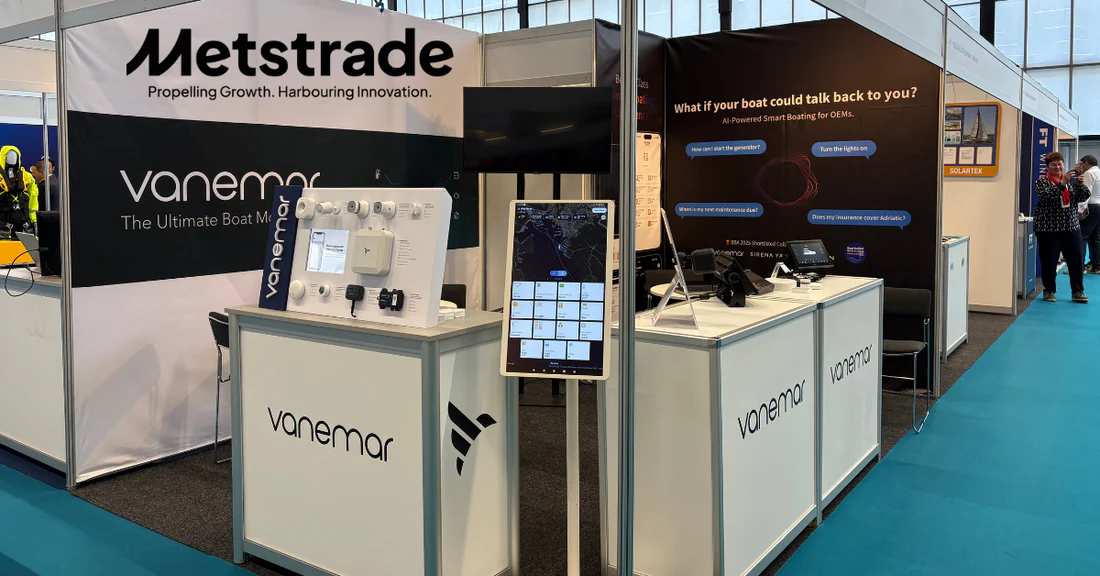
The integration of autonomous systems, artificial intelligence, and predictive maintenance technologies featured prominently across technology pavilions. Superyacht owners and operators are increasingly demanding sophisticated digital platforms enabling remote monitoring, predictive maintenance scheduling, and operational optimization from shore-based facilities.
Several technology providers unveiled comprehensive vessel management systems integrating propulsion optimization, HVAC controls, electrical load management, waste heat recovery systems, and crew scheduling interfaces into unified dashboards. These systems leverage machine learning algorithms analyzing historical operational data to predict maintenance requirements, optimize fuel consumption patterns, and enhance crew efficiency—potentially reducing operating costs by 10-15 percent while improving reliability.
Cybersecurity was elevated to prominence alongside functional capabilities. Vendors demonstrated encrypted communication protocols, isolated network architectures, and intrusion detection systems addressing the maritime industry's growing vulnerability to cyber threats. Classification societies announced updated cybersecurity standards, signaling that cyber-resilience will become a factor in vessel class notation and insurance underwriting within the next two years.
Market Implications and Fleet Operational Impacts
The collective announcements at Monaco 2025 establish important considerations for active superyacht operators managing existing fleets. Several trends emerge with direct implications for vessel operations, maintenance scheduling, and capital expenditure planning.
First, the acceleration of alternative propulsion adoption is creating a bifurcated market where diesel-only vessels will increasingly command depreciation premiums relative to hybrid or electric-capable equivalents. Owners managing 5-15 year-old superyachts should evaluate retrofitting opportunities—particularly diesel-electric propulsion system upgrades enabling operational flexibility and reduced environmental impact without complete propulsion system replacement.
Second, the shift toward integrated digital systems suggests that yards and service providers lacking sophisticated diagnostic and remote monitoring capabilities will face competitive pressures. Superyacht operators should evaluate service provider partnerships based on technological sophistication and digital infrastructure capabilities, not merely traditional mechanical competency.
Finally, the emphasis on standardized cybersecurity protocols and autonomous diagnostic systems indicates that crew training requirements will evolve significantly. Electronic systems replacing mechanical complexity demand different technical expertise and certification standards. Operators should prioritize crew development in digital systems management, cybersecurity protocols, and predictive maintenance analytics interpretation.
What to Expect in Upcoming Seasons
The trends unveiled at Monaco 2025 will manifest across the superyacht market throughout 2026 and beyond. New vessel deliveries incorporating advanced propulsion, smart systems, and sustainability features will begin entering service. Simultaneously, an increasing proportion of refits and major overhauls will incorporate hybrid propulsion retrofits, advanced diagnostic systems, and digital integration upgrades.
For fleet operators, this transitional period presents both opportunities and challenges. Vessels equipped with cutting-edge sustainability credentials and digital integration will command premium day rates and attract environmentally-conscious owners and charterers. Conversely, vessels lacking modern propulsion and digital infrastructure will face stagnating utilization and declining valuations.
The timeframe is compressed: owners and operators must evaluate their fleet positioning relative to these technological and sustainability trends during the 2026 calendar year. Decisions deferred until 2027-2028 risk substantial depreciation and operational disadvantage as industry standards crystallize around sustainable, digitally-integrated, and autonomously-capable vessels.
Sources & References
This dispatch incorporates coverage and technical information from the following sources:
- Monaco Yacht Show Organisation: Official exhibitor data, vessel statistics, and show programming
- International Maritime Organization (IMO): IMO 2030 and IMO 2050 decarbonisation targets and regulatory frameworks
- Lloyd's Register & DNV: Classification society standards for hybrid propulsion and cybersecurity certification
- International Council of Marine Industry Associations (ICOMIA): Global superyacht fleet statistics and market analysis
- Superyacht Intelligence: Fleet composition data and industry trend analysis
Mercer Yachting analysis is current as of September 2025 and reflects trends observed at the 2025 Monaco Yacht Show.