Advanced Materials and Construction Technologies
METSTRADE 2025 demonstrated significant advances in materials science and fabrication methodologies that directly impact superyacht construction efficiency, durability, and performance characteristics. The exhibition featured extensive showcases of advanced composites, specialty alloys, and hybrid construction systems that represent the cutting edge of maritime engineering.
Carbon fiber sandwich structures, previously limited to racing yachts and military applications, have become economically viable for superyacht construction. Multiple exhibitors demonstrated production-scale carbon fiber composite systems achieving weight reductions of 25-30 percent compared to traditional fiberglass while maintaining equivalent structural properties. These materials exhibit superior fatigue resistance, important for extended-service applications encountering variable sea states over decades of operation.
Aluminum-titanium alloy developments showed particular promise for high-stress structural applications. Titanium grade 5 components offer exceptional corrosion resistance in marine environments, eliminating the coating maintenance cycles required for aluminum structures. Cost reductions in titanium fabrication, driven by advances in laser cutting and CNC machining, have made these materials competitive with traditional materials for critical superstructure applications.
Revolutionary Propulsion and Power Systems
Propulsion technology dominated the exhibition floor, with unprecedented focus on alternative fuel systems, hybrid architectures, and electric propulsion scaling. Exhibitors from leading marine engine manufacturers and emerging propulsion technology specialists presented comprehensive solutions addressing environmental regulations and owner preferences for sustainable operations.
Dual-Fuel and Hydrogen Capabilities
Several engine manufacturers unveiled marine diesel engines capable of dual-fuel operation utilizing both conventional marine diesel and liquefied natural gas. These systems maintain conventional performance characteristics while enabling substantial emissions reductions—particularly in nitrogen oxide and particulate matter categories regulated under IMO Tier III standards. The additional fuel system complexity and onboard liquefied gas storage requirements present challenges, but emerging technology solutions are maturing rapidly.
Hydrogen fuel cell systems captured exceptional attention, with multiple exhibitors demonstrating prototype systems suitable for auxiliary power generation and, in advanced cases, primary propulsion for smaller vessels. While hydrogen bunkering infrastructure remains nascent, technology suppliers indicated that shore-based fuel cell refueling capability will be established across major Mediterranean and Northern European ports by 2028.
Integrated Power Management Systems
Advanced power management systems orchestrating diesel generators, battery banks, solar arrays, and shore power connections were extensively demonstrated. These systems employ sophisticated algorithms optimizing fuel consumption and electrical load distribution across multiple power sources. Operators utilizing integrated systems report fuel consumption reductions of 12-18 percent compared to conventional single-source configurations, translating to substantial operating cost savings across multi-year fleet deployments.
Digital Integration and Autonomous Systems
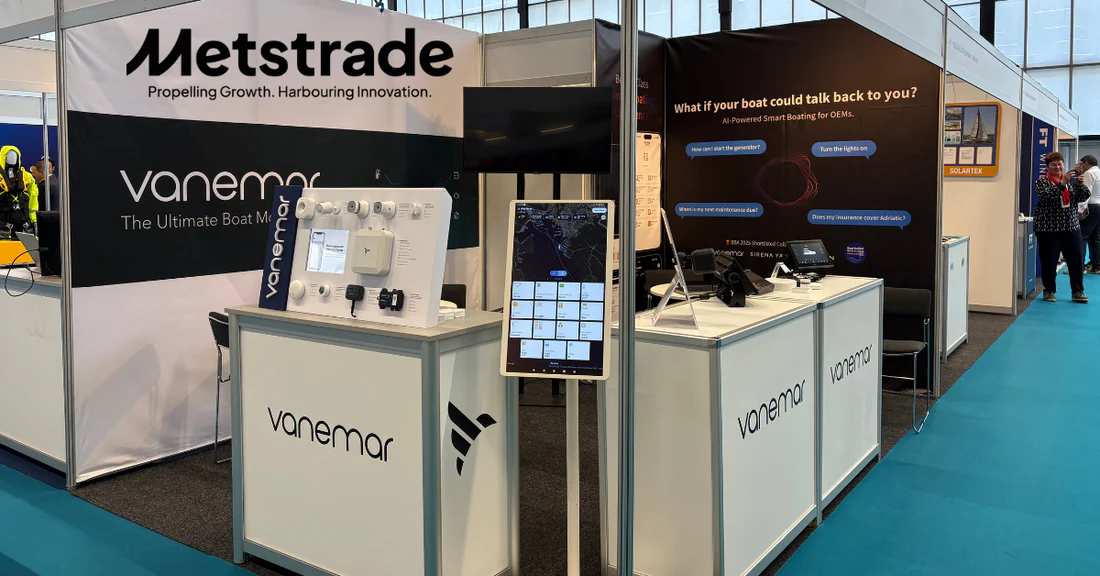
Digital transformation of superyacht operations received unprecedented emphasis at METSTRADE 2025. Technology providers showcased comprehensive integration platforms connecting propulsion systems, environmental controls, navigation systems, and crew management infrastructure into unified digital ecosystems enabled by cloud connectivity and artificial intelligence analytics.
Fleet management platforms now integrate remote condition monitoring, predictive maintenance algorithms, and real-time operational optimization. Owners and fleet managers access comprehensive vessel health dashboards from shore-based facilities, receiving notifications of developing issues before they manifest as operational problems. Predictive maintenance systems analyze historical data patterns to forecast component failures, enabling proactive service scheduling that eliminates emergency repairs and reduces operational downtime by 30-40 percent.
Crew management systems integrated with navigation and propulsion systems optimize watch schedules, automate routine operational tasks, and provide decision-support tools enhancing operational safety and efficiency. Some systems employ machine learning algorithms analyzing past operational decisions and environmental conditions to provide performance optimization recommendations during actual operations.
Sustainability and Regulatory Compliance Solutions
Exhibitors presented comprehensive technical solutions addressing escalating environmental regulations affecting superyacht operations. From ballast water management systems complying with the Ballast Water Management Convention to advanced air emission control technologies, solutions span the full regulatory landscape confronting superyacht operators.
Ballast water treatment systems utilizing ultraviolet and electrochemical technologies demonstrated 99.9+ percent effectiveness eliminating biological organisms, enabling compliant operations without storing treated ballast water for mandatory retention periods. These systems significantly reduce compliance complexity and enhance operational flexibility for vessels requiring frequent ballast exchanges.
Scrubber technology has matured significantly, with hybrid open-loop and closed-loop systems enabling operators to manage sulfur oxide emissions compliance with flexibility regarding fuel selection. Cost reductions in scrubber installation and operation have improved the economic case for retrofitting existing vessels, expanding the installed base substantially across the fleet.
Operational and Commercial Implications
The technologies and systems showcased at METSTRADE 2025 carry substantial implications for active fleet operators. Several trends emerge with direct relevance to decisions regarding fleet positioning, maintenance strategy, and technological investment.
First, the maturation of integrated digital systems indicates that technological sophistication will become a competitive differentiator for charter vessels and owner-operator yachts. Vessels equipped with advanced automation, predictive maintenance systems, and digital operational support will command premium day rates and attract technically-sophisticated owners and experienced charterers. Operators delaying investment in these systems risk competitive disadvantage as technology adoption accelerates across the industry.
Second, the continued advancement of sustainable propulsion systems strengthens regulatory momentum toward decarbonization. Owners operating conventional diesel-only vessels should evaluate hybrid propulsion retrofit opportunities during upcoming major service events. Delaying decarbonization investments risks substantial depreciation as environmental regulations tighten and owner preferences shift decidedly toward sustainable vessels.
Finally, the emergence of condition-based maintenance and predictive failure systems fundamentally changes service intervals and maintenance scheduling. Yard partnerships capable of integrating digital monitoring systems and interpreting algorithmic maintenance recommendations will become increasingly valuable. Service providers lacking digital integration capabilities will face significant competitive pressures and potential obsolescence.
Looking Forward: 2026 and Beyond
The technologies and innovations unveiled at METSTRADE 2025 will progressively become standard across new construction and major refit projects throughout 2026 and subsequent years. Early adopters of advanced materials, alternative propulsion, and digital integration will establish competitive advantage as these technologies become industry baseline.
Operators managing active fleets should develop strategic technology roadmaps identifying retrofit opportunities, service provider partnerships, and crew training requirements aligned with these emerging trends. The window for gradual technological transition is narrowing—decisions deferred until 2027-2028 will increasingly require rapid, expensive implementation rather than planned, economically-optimized implementation.
Sources & References
This dispatch incorporates technical information and market intelligence from the following sources:
- METSTRADE Organisation (RAI Amsterdam): Official exhibition data, exhibitor information, and technology showcases
- International Maritime Organization (IMO): Tier III emissions standards and Ballast Water Management Convention
- International Association of Classification Societies (IACS): Standards for advanced materials and construction certification
- Lloyd's Register & DNV: Classification requirements for alternative propulsion and digital integration
- European Maritime Safety Agency (EMSA): Environmental compliance frameworks and sustainability reporting standards
Mercer Yachting analysis is current as of November 2025 and reflects technologies showcased at METSTRADE 2025.